Diesel trucks play a vital role in many industries, from transportation to construction. They are known for their durability and efficiency, but they also come with specific responsibilities, particularly concerning emissions regulations. As environmental standards have tightened, the need for emissions repairs on diesel trucks has become increasingly important. This article explores the intricacies of emissions repairs, their significance for diesel truck owners, and how to navigate these repairs effectively in Whitehouse, TX.
The Importance of Emissions Compliance
With growing concerns about air quality and environmental impact, regulatory agencies have implemented stringent emissions standards for diesel vehicles. These regulations are designed to limit harmful pollutants released into the atmosphere. For truck owners, compliance is not just a legal obligation; it’s also essential for maintaining the vehicle's performance and longevity.
Emissions-related components like the Exhaust Gas Recirculation (EGR) system, Diesel Particulate Filters (DPF), and Selective Catalytic Reduction (SCR) systems are critical in managing a truck's emissions output. Failure to address issues within these systems can lead to increased pollution as well as potential fines from regulatory bodies. Moreover, ignoring these repairs can significantly affect the truck's overall performance and fuel efficiency.
Key Components Affected by Emissions Repairs
Many aspects of a diesel engine contribute to its emissions output. Understanding these components can help truck owners recognize problems early and seek necessary repairs promptly.
Exhaust Gas Recirculation (EGR)
The EGR system redirects a portion of the exhaust gases back into the engine cylinders. This process lowers combustion temperatures and reduces nitrogen oxide (NOx) emissions. However, over time, EGR valves can become clogged or malfunction due to soot accumulation or carbon build-up. Regular maintenance of this system is crucial to prevent costly repairs down the line.
Diesel Particulate Filter (DPF)
The DPF captures soot and particulates from exhaust gases before they exit the vehicle. A clogged DPF can lead to Visit this site reduced engine performance and increased fuel consumption. Many modern diesel trucks include automatic regeneration processes that clean the filter during operation; however, if these systems fail or are neglected, professional cleaning or replacement may be required.
Selective Catalytic Reduction (SCR)
The SCR system uses a urea solution injected into the exhaust stream to convert Truck overheating repair Whitehouse TX NOx gases into harmless nitrogen and water vapor. Problems with this system often manifest as poor engine performance or warning lights on the dashboard—such as a check engine light signaling an urgent need for diagnostics.
Recognizing Signs of Emissions Issues
Identifying early signs of emissions problems can save truck owners time and money in repairs. Common indicators include:
- Check Engine Light: An illuminated check engine light is often one of the first signs that something is amiss with one or more emissions components. Loss of Power: If a diesel truck experiences sudden drops in power during acceleration or while hauling loads, it could indicate issues within the EGR system or DPF. Increased Fuel Consumption: A noticeable decrease in fuel efficiency may signal that your vehicle's emissions control systems are not functioning correctly. Excessive Smoke: Black smoke from the exhaust is typically associated with incomplete combustion, often linked to faulty injectors or an inefficient EGR system.
Truck owners should be proactive in addressing these signs by seeking expert diagnostic services at reputable repair shops specializing in diesel engines.
Finding Reliable Repair Services
For those living near Whitehouse, TX, finding a qualified repair shop is essential for effective emissions repair services. Here’s what you should look for when selecting a shop:
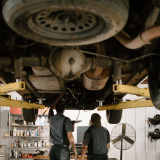
Choosing wisely among local options can make all the difference when it comes to timely and effective emissions repairs.
Preventative Maintenance Strategies
Preventative maintenance plays an essential role in keeping your diesel truck compliant with emissions regulations while ensuring optimal performance over time. Here are some strategies that can help extend your engine's lifespan:
- Regular Inspections: Schedule routine inspections specifically focused on emission control components such as EGR valves and DPFs. Prompt Repairs: Address any warning lights promptly rather than waiting until performance declines further. Routine Cleaning: Participate in regular cleaning services for DPFs which can help maintain filtration efficiency without costly replacements. Quality Fuel Usage: Using high-quality fuel designed for diesel engines helps minimize deposits within critical components like injectors and filters.
By adopting these practices, truck owners not only comply with regulations but also enhance their vehicle’s reliability on the road.
Emergency Repairs and Roadside Assistance
In some cases, breakdowns related to emission systems occur unexpectedly while out on long hauls or during daily operations. Having access to emergency truck repair services is crucial for minimizing downtime due to unforeseen circumstances.
Local roadside assistance programs often provide quick help when mechanical failures happen far from home base—whether it involves towing capabilities or immediate diagnostic support on-site by qualified technicians experienced with heavy-duty trucks.
When selecting an emergency service provider, prioritize those who specialize in diesel mechanics so they can troubleshoot complex issues efficiently without compromising safety standards or causing additional damage during recovery efforts.
The Financial Impact of Neglecting Emissions Repairs
Neglecting necessary emissions repairs can lead not only to environmental consequences but also substantial financial burdens over time:
Fines from Regulations: Regulatory authorities may impose fines against businesses whose vehicles fail compliance checks during inspections. Decreased Resale Value: Trucks that show signs of neglect regarding maintenance will likely suffer depreciation compared with well-maintained counterparts—affecting resale potential significantly. Higher Operational Costs: Poorly functioning emission systems result in increased fuel consumption leading directly toward higher operating costs overall; thus impacting profit margins considerably especially among fleet operators relying heavily upon efficient logistics management strategies.Investing upfront into comprehensive diagnostics paired alongside timely emission control service contributes positively towards long-term operational health—ultimately driving profits through enhanced productivity levels across fleets large & small alike!
Conclusion
Understanding emissions repairs' nuances ensures compliance with necessary regulations while maintaining optimal performance levels throughout a diesel engine’s lifecycle—from everyday use cases across commercial applications down through individual ownership experiences alike! By recognizing key components involved along with identifying common warning signals early enough combined alongside preventative measures including regular check-ups ultimately keeps both environmental impacts minimal & operational expenses manageable—making informed decisions pivotal toward achieving success within this demanding industry landscape!
Whether you're operating heavy-duty commercial trucks or lighter pickup models near Whitehouse TX., staying ahead through effective maintenance practices remains paramount—the right knowledge empowers every owner/operator enabling them not just survive but thrive amidst changing standards & expectations set forth industry-wide!